

Quantinuum and SoftBank Corp. Explore Quantum Computing Frontiers
Session 1: September 29 (Tue) 08:00 JST
- September 28 (Mon) 19:00 US ET
- September 28 (Mon) 17:00 US MT
- September 28 (Mon) 16:00 US PT
Session 2: September 29 (Tue) 18:00 JST
- September29 (Tue) 10:00 BST
- September29 (Tue) 11:00 CEST
- September29 (Tue) 12:00 AST
How can quantum computing, AI, and high-performance computing be integrated into future computing infrastructure? When does quantum computing move from promising to practical? Which problem classes are expected to become executable at which stage of hardware maturity for quantum computing?
If you’ve asked any of these questions, you should join Quantinuum and SoftBank Corp. as we explain the findings of "Quantum Computing Frontiers," a joint white paper mapping commercially relevant quantum computing use cases in quantum chemistry and quantum topological data analysis against Quantinuum's hardware roadmap — from Helios today through Sol, Apollo, and beyond.
In this live webinar, the experts will break down a practical framework for understanding how advances in quantum hardware and algorithms could shift the timeline for real-world industrial applications, and how quantum computing, AI, and high-performance computing may come together in future quantum AI data center infrastructure.
You’ll learn about:
- A clear framework for assessing when quantum computing use cases are expected to become commercially viable
- A understanding as to why there is no need to wait for large-scale fault tolerance to start building readiness
- The alignment of hardware , software, algorithm development, and infrastructure strategy around a shared roadmap
- How quantum, AI, and HPC integration could shape the next generation of enterprise computing infrastructure and business models
Speaker Details
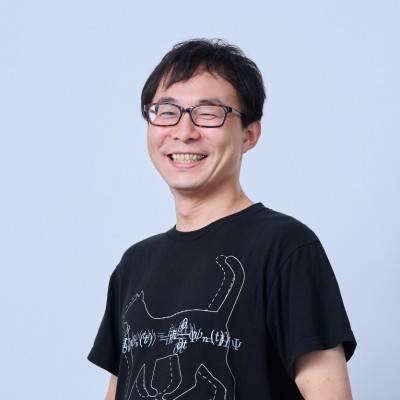
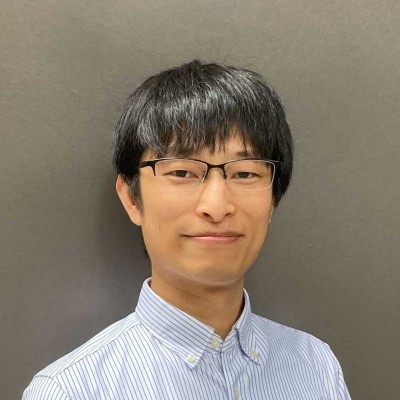
Yoshi-aki Shimada received his Ph.D. in Applied Physics from the University of Tokyo. After working as a Science Communicator at Miraikan, he joined the Japan Science and Technology Agency (JST), where he was involved in research project management, technology trend analysis, and R&D strategy development in information science, including quantum computing and AI. He joined SoftBank Corp. in 2024 and is currently engaged in R&D and technology strategy for quantum information technologies, with a focus on the practical and commercial application of quantum computing.
Kentaro Yamamoto is a researchscientist in the quantum chemistry team at Quantinuum. He leads multiplechemistry-focused initiatives, including demonstrations of quantum–HPC hybridsystems and the development of workflows incorporating quantum error correction.He earned his PhD from the University of Tokyo and conducted postdoctoralresearch at the Fukui Institute for Fundamental Chemistry.
Get in touch
Partner with us to leverage our industry-leading full-stack quantum technologies to explore breakthroughs in drug discovery, healthcare, materials science, cybersecurity, energy transformation, and climate change.
Dr. Michael Foss Feig
Michael is a fellow physicist at Quantinuum working on theoretical aspects quantum computation with trapped ions. His research is currently focused mainly on near-term applications of quantum computers, especially to solving problems in quantum many-body physics. Before joining Quantinuum, Michael worked on a variety of topics at the interface of atomic physics, quantum optics, condensed-matter physics, and quantum information.