

Introduction to
Nexus Developer Platform
Developing, optimizing and deploying fault-tolerant and hybrid quantum applications
December 10, 2026
Session 1: 8:00 AM GMT | 5:00 PM JST
Session 2: 4:00 PM GMT | 11:00 AM EST
Quantinuum’s Nexus Developer Platform brings developing, optimizing and deploying quantum applications into one place. The 26.1 and 26.2 releases extend it to fault-tolerant development, hybrid quantum-classical workflows, and real-time visibility into every run.
In this 60-minute webinar, we’ll introduce the platform and what’s new in both releases, then show a live end-to-end demo. We’ll finish with a deep dive into Guppy FT, showing how an ordinary algorithm is automatically compiled into an error-corrected program.
Why attend
- See the latest Nexus capabilities in action, including Guppy FT, the hybrid runtime and real-time run metrics
- Learn how to write fault-tolerant programs without quantum error correction expertise
- Understand when to use error correction versus error detection
- Get your questions answered live by the Nexus team
This session is for quantum software developers, researchers and technical teams who want to start building toward fault tolerance and hybrid applications at scale.
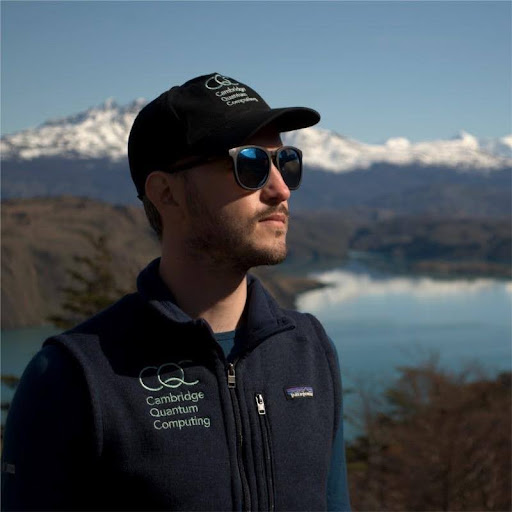
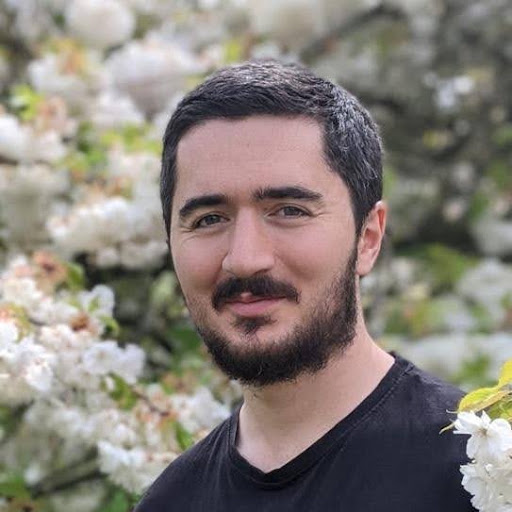
Dr. Henry Semenenko is an Advanced Compiler Engineer at Quantinuum working on enabling tools for fault-tolerant quantum computing with trapped ions. He holds a PhD in Quantum Engineering from the University of Bristol, where he developed the first demonstration of measurement-device-independent quantum key distribution with integrated photonics. At Quantinuum, he has worked across quantum cybersecurity, integrated photonics for trapped-ion devices, and quantum program compilation. As part of the Guppy FT team, Henry is developing the framework for fault-tolerant quantum computing.
Vanya Eccles is a Technical Product Manager on the Nexus Platform at Quantinuum. He joined Cambridge Quantum in 2021, shortly before its merger with Honeywell Quantum Solutions, and as a Senior Software Engineer helped bring Quantinuum Nexus from an early internal prototype to its official launch, leading development of the qnexus programming client and working closely with the platform’s first customers. Before Quantinuum, he co-founded and served as Tech Lead of Fitreo, a startup using AI to improve workplace safety training. He holds a Master’s in Computer Science with Distinction and a Bachelor’s in Neuroscience from Trinity College Dublin, where he was elected a Trinity Scholar.
Get in touch
Partner with us to leverage our industry-leading full-stack quantum technologies to explore breakthroughs in drug discovery, healthcare, materials science, cybersecurity, energy transformation, and climate change.
Dr. Michael Foss Feig
Michael is a fellow physicist at Quantinuum working on theoretical aspects quantum computation with trapped ions. His research is currently focused mainly on near-term applications of quantum computers, especially to solving problems in quantum many-body physics. Before joining Quantinuum, Michael worked on a variety of topics at the interface of atomic physics, quantum optics, condensed-matter physics, and quantum information.