Every year, the International Conference for High Performance Computing, Networking, Storage, and Analysis (SC) brings together the global supercomputing community to explore the technologies driving the future of computing.
At this year’s conference, from November 16th – 21st in St. Louis, Missouri, Quantinuum showcased how our quantum hardware, software, and partnerships are helping define the next era of high-performance and quantum computing.
Quantinuum in the Expo Hall
The Quantinuum team was on-site at booth #4432 to showcase how we’re building the bridge between HPC and quantum. Folks stopped by our booth to see:
- Live demo unit of our quantum hardware
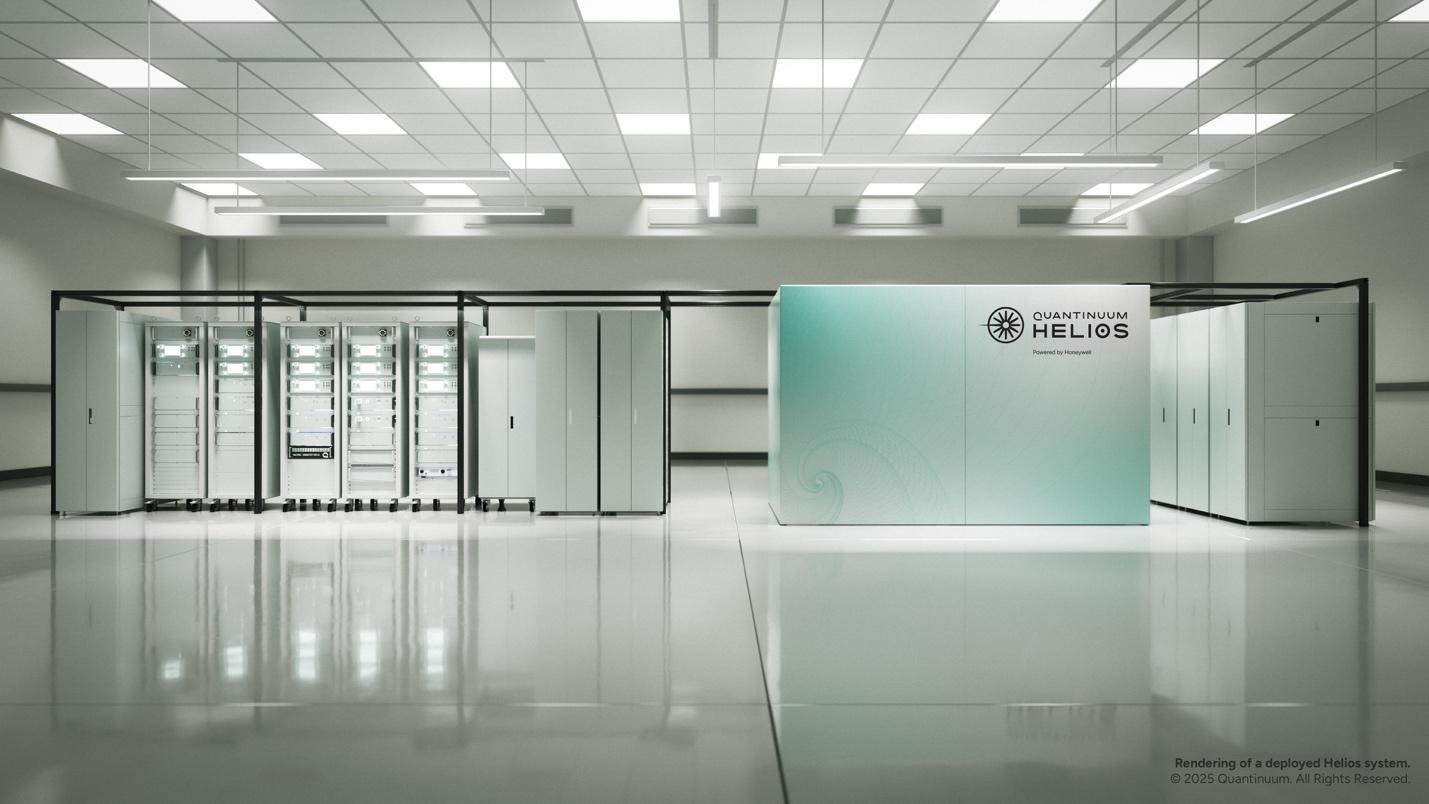
- Our new Helios replica, providing an up-close look at the design behind our next-generation system
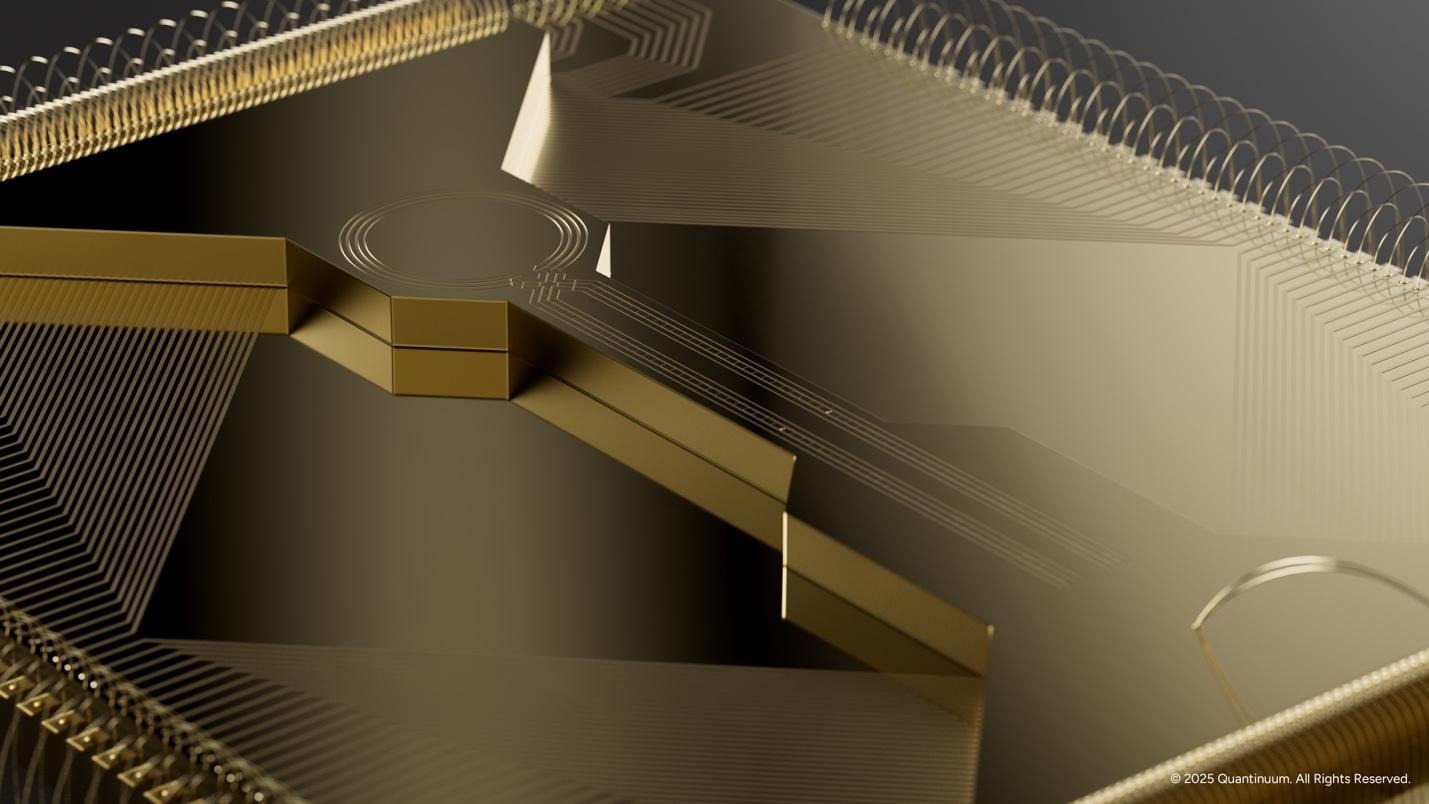
- The Helios chip, highlighting the innovation driving the world’s most advanced trapped-ion quantum computers
Our quantum computing experts hosted daily tutorials at our booth on Helios, our next-generation hardware platform, Nexus, our all-in-one quantum computing platform, and Hybrid Workflows, featuring the integration of NVIDIA CUDA-Q with Quantinuum Systems.
Speaking Sessions at SC25
Join our team as they share insights on the opportunities and challenges of quantum integration within the HPC ecosystem:
Panel Session: The Quantum Era of HPC: Roadmaps, Challenges and Opportunities in Navigating the Integration Frontier
November 19th | 10:30 – 12:00pm CST
During this panel session, Kentaro Yamamoto from Quantinuum, will join experts from Lawrence Berkeley National Laboratory, IBM, QuEra, RIKEN, and Pawsey Supercomputing Research Centre to explore how quantum and classical systems are being brought together to accelerate scientific discovery and industrial innovation.
BoF Session: Bridging the Gap: Making Quantum-Classical Hybridization Work in HPC
November 19th | 5:15 – 6:45pm CST
Quantum-classical hybrid computing is moving from theory to reality, yet no clear roadmap exists for how best to integrate quantum processing units (QPUs) into established HPC environments. In this Birds of a Feather discussion, co-led by Quantinuum’s Grahame Vittorini and representatives from BCS, DOE, EPCC, Inria, ORNL NVIDIA, and RIKEN we hope to bring together a global community of HPC practitioners, system architects, quantum computing specialists and workflow researchers, including participants in the Workflow Community Initiative, to assess the state of hybrid integration and identify practical steps toward scalable, impactful deployment.